Can Foreigners Own Property in Abu Dhabi? The Rules Explained
Abu Dhabi opens full ownership to non-UAE nationals inside designated investment zones under Law No. 19 of 2005, amended in 2019. Here is what that means island by island.
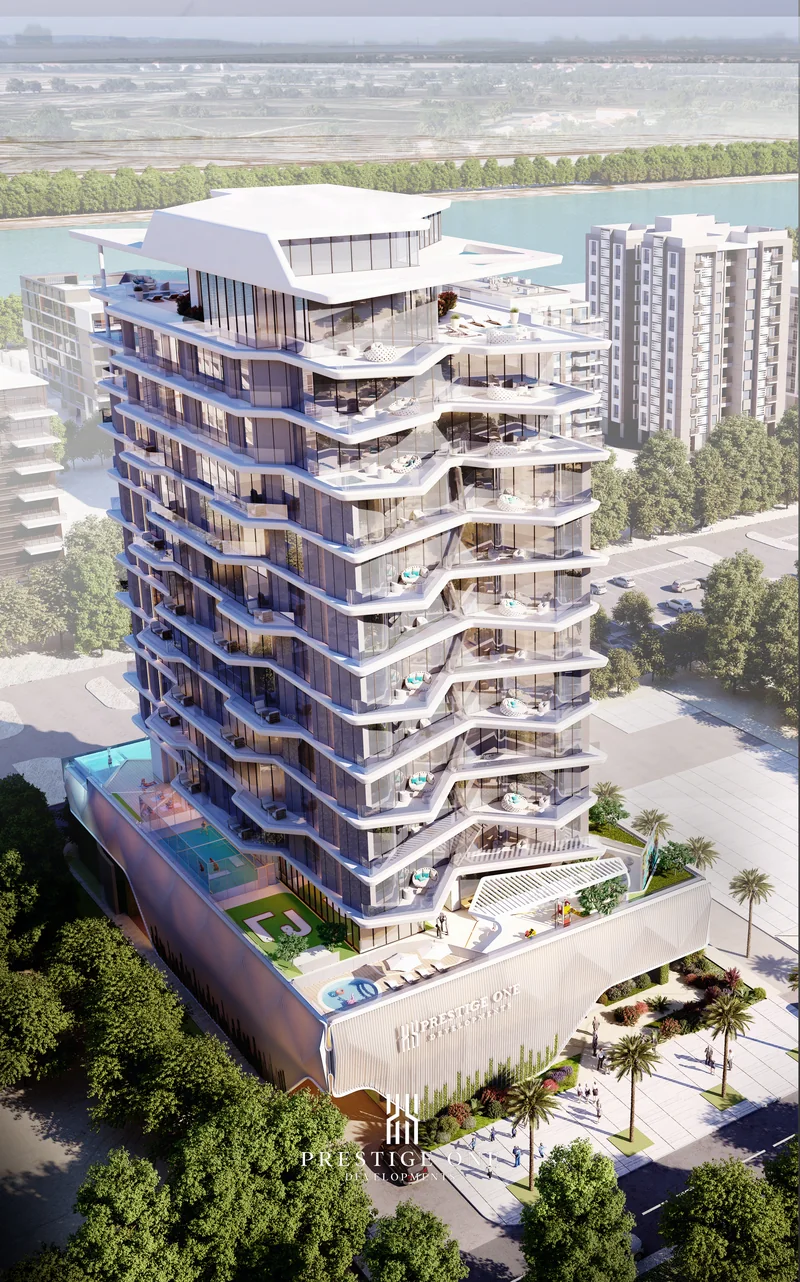
Abu Dhabi's property law does not treat the emirate as one single market for foreign buyers. It draws a line between designated investment zones, where non-UAE nationals can hold the full range of real rights over a property, and everywhere else, where ownership stays reserved. Getting that line right, and confirming where a specific project actually sits relative to it, matters more in Abu Dhabi than almost any other question a buyer asks before reserving.
What the law actually says
Law No. 19 of 2005 on property ownership in Abu Dhabi, amended in April 2019, gives non-UAE nationals, whether individuals or companies, the right to own and acquire all original and in-kind real rights in real estate located within investment areas. Outside those areas, ownership remains reserved for UAE nationals, for government-linked entities with no more than 49% foreign ownership, and for persons designated by a specific decision. The same amendment strengthens the position of long-term rights holders: anyone holding a usufruct or musataha for more than 10 years can dispose of, or mortgage, the property without the landowner's consent, unless the parties have agreed otherwise. For the residency side of the same federal legal environment, see our guide on the Golden Visa's 2 million AED property threshold.
The investment zones, in numbers and by name
The Abu Dhabi Real Estate Centre (ADREC) reports 50 investment zones across the emirate as of the first half of 2026, including eight approved during that same half year. A separate, older list published on the federal portal u.ae names nine zones explicitly: Yas Island, Saadiyat, Reem, Al Maryah, Lulu, Al Raha Beach, Sayh Al Sedairah, Al Reef and Masdar City. ADREC's own registration rules add a further detail for buyers who are neither UAE nationals nor nationals of a GCC country: registration of apartments is limited to properties, apartments and floors other than the ground floor, located within investment zones, and investment zones themselves are fixed by decision of the Executive Council under Law No. 19 of 2005. The full list of all 50 zones is not published on that page, so confirming whether a specific project sits inside one remains a step for every purchase, not a one-time check.
The four ownership regimes
Within investment zones, four different regimes can apply to a given unit:
- Ownership (freehold). A title that lets the holder dispose fully of an apartment or villa.
- Musataha. A 50-year right, renewable by mutual agreement for an equivalent term, to use, build on and modify the land.
- Usufruct. A 99-year right to use the property and its facilities, without modifying it.
- Long lease. At least 25 years.
This description of the four regimes predates the 2019 amendment, so the exact regime attached to a specific unit, ownership, musataha or usufruct, is confirmed on the sale and purchase agreement and the DARI certificate, not assumed from a general description. Our guide on freehold, usufruct and musataha in Abu Dhabi goes through the registration fees attached to each.
ORVEN PROPERTIES
Talk to an Orven adviser
Leave your number: an adviser calls you back or replies on WhatsApp, in your language. No commitment.
What is actually sourced, island by island, in the Orven collection
Three islands in the current Abu Dhabi collection carry a developer statement on foreign ownership. Modon describes Muheira on Al Reem Island and Nawayef East on Al Hudayriyat Island as freehold, open to all nationalities; its own FAQ page states that residential projects located in key investment zones such as Al Hudayriyat and Al Reem are offered on a freehold basis. Al Jubail Island's official site states that non-UAE nationals can purchase freehold property without restrictions, which covers Bada Al Jubail. Saadiyat and Yas, home to Sei Saadiyat, Talay at Marsa Al Saadiyat, Yas Park Place and Manchester City Yas Residences, both appear on the historic u.ae list of nine zones. Ramhan Island has no sourced statement on its foreign ownership regime at all, so for Ramhan Island specifically, treat the question of who can own and under what regime as something to confirm with your adviser, not something marketing material settles.
The share reserved for non-Emiratis
A further detail sits inside ADREC's own registration system rather than in a public table: for a non-Emirati buyer, the system (ELMS) fixes a percentage of each project reserved for non-Emiratis, and that allowed share has to be respected when a unit is registered. No general figure for this share is published, which means it is confirmed project by project, and ideally unit by unit, before you commit to a reservation.
Verifications to run before you sign
Never assume foreign ownership is open everywhere in Abu Dhabi; the law itself draws a boundary around investment zones. Before signing, run through: whether the project sits inside one of ADREC's 50 investment zones; which of the four regimes, ownership, musataha, usufruct or long lease, applies to the specific unit; the non-Emirati share allowed under ELMS for that project; and, for long-term usufruct or musataha holders, whether the 10-year rule on disposal and mortgaging already applies to your position. Orven follows your Abu Dhabi purchase from Dubai, where brokerage is carried out through ORVEN REAL ESTATE BROKERAGE L.L.C S.P.C (Economic License No. CN-6800129, ADRA). For a comparable question in another emirate, see our guide on whether foreigners can buy property in Ras Al Khaimah. Message Orven on WhatsApp at +971 52 776 1939 or by email at sales@orvenproperties.com with the project you are considering, and your adviser confirms the ownership position before you reserve.
FAQ
Can a foreigner own property outright anywhere in Abu Dhabi? Only inside the emirate's designated investment zones, under Law No. 19 of 2005 as amended in 2019. Outside those zones, ownership stays reserved for UAE nationals and specific categories of entities and persons.
How many investment zones does Abu Dhabi have? ADREC counts 50 as of the first half of 2026, including eight approved during that half year. A separate, older list names nine zones, among them Yas, Saadiyat and Al Reem, the islands behind most of the current Orven collection.
What is the difference between ownership, musataha and usufruct? Ownership lets the holder fully dispose of the unit. Musataha is a renewable 50-year right to use, build on and modify the land. Usufruct is a 99-year right to use the property without modifying it. The exact regime for a specific unit is confirmed on the sale and purchase agreement.
Is Ramhan Island open to foreign ownership? No official source confirms the regime for foreign buyers on Ramhan Island specifically. Treat this as a point to confirm with your adviser before reserving, rather than an assumption carried over from other islands.
Where do I check the non-Emirati share allowed in a specific project? ADREC's registration system sets a percentage reserved for non-Emiratis per project, but no public table lists the figure by project. Your adviser confirms it for the unit you are considering.
ORVEN PROPERTIES
Talk to an Orven adviser
Leave your number: an adviser calls you back or replies on WhatsApp, in your language. No commitment.
Frequently asked questions
Can a foreigner own property outright anywhere in Abu Dhabi?
Only inside the emirate's designated investment zones, under Law No. 19 of 2005 as amended in 2019. Outside those zones, ownership stays reserved for UAE nationals and specific categories of entities and persons.
How many investment zones does Abu Dhabi have?
ADREC counts 50 as of the first half of 2026, including eight approved during that half year. A separate, older list names nine zones, among them Yas, Saadiyat and Al Reem, the islands behind most of the current Orven collection.
What is the difference between ownership, musataha and usufruct?
Ownership lets the holder fully dispose of the unit. Musataha is a renewable 50-year right to use, build on and modify the land. Usufruct is a 99-year right to use the property without modifying it. The exact regime for a specific unit is confirmed on the sale and purchase agreement.
Is Ramhan Island open to foreign ownership?
No official source confirms the regime for foreign buyers on Ramhan Island specifically. Treat this as a point to confirm with your adviser before reserving, rather than an assumption carried over from other islands.
Where do I check the non-Emirati share allowed in a specific project?
ADREC's registration system sets a percentage reserved for non-Emiratis per project, but no public table lists the figure by project. Your adviser confirms it for the unit you are considering.
Continue reading

Guides
Buying an apartment in Batumi as a Russian citizen
Georgian rules for a foreign buyer, NAPR registration and the role of a local lawyer: what a Russian citizen needs to know before buying an apartment in Batumi, including any checks specific to nationality.
Read the guide →
Guides
Buying off-plan in Dubai remotely from Moscow or Saint Petersburg
A step-by-step look at buying an off-plan unit in Dubai without travelling from Moscow or Saint Petersburg: power of attorney, video calls, escrow payments and the compliance checks that apply throughout.
Read the guide →
Guides
Buying Property in Dubai from Israel: What to Know
Freehold ownership, DLD registration, escrow-protected payments and remote steps for an Israeli resident buying in Dubai, set out without any diplomatic commentary.
Read the guide →
Guides
Buying Property in Batumi from Israel: A Step-by-Step Guide
How an Israeli buyer moves from choosing a Batumi project to a registered title, working with Orven and a local Georgian lawyer at each stage, without describing any flight route or schedule.
Read the guide →INVESTOR GUIDES